
Margaret Bourke-White - A report on the American Jesuits
1956
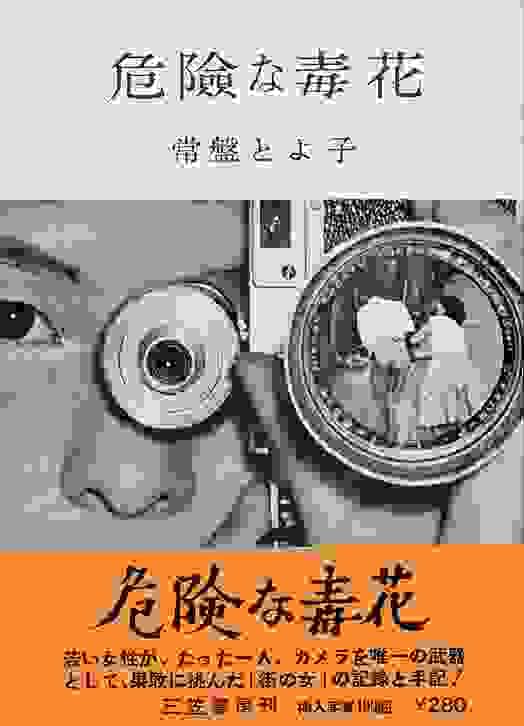
Toyoko Tokiwa - Dangerous Poisonous Flowers
Mikasa Shobo, Tokyo, 1957
Tokiwa's 1957 Photobook 'Kiken no Adabana' 危険な毒花 translates to 'Dangerous Poisonous (Toxic/Fruitless) Flowers' - a traditional euphemism for sex workers.
It documents women at the fringes of Japanese society - notably sex workers, but also performers, nurses, and shop workers.
In Tokiwa’s hometown, the port of Yokohama, the influx of American troops after World War II led to the port becoming a hub for sex work.
In the late 1950s, the Japanese government began to take action, criminalising the occupation. This book attempts to demystify sex work and present it as a valid career.
-“What They Saw: Historical Photobooks by Women 1843 - 1999” edited by Russet Lederman and Olga Yatskevich. New York, 10x10 Photobooks, 2021
With accompanying text, the book is divided into three parts:
- Kiken na adabana (Dangerous Poisonous Flowers)
- Fāsutofurekkusu kara Kyanon made ("From Firstflex to Canon"; the Firstflex was a TLR camera)
- Kōfuku e no iriguchi no aru ie (iA House with an Entrance to Happiness)
Inge Morath - De La Perse a l'Iran
Conzett & Huber 1958
Yumiko KIYOMIYA - Somewhere in Japan
1961
Helen Levett -
A way of Seeing. Photographs of New York
1965
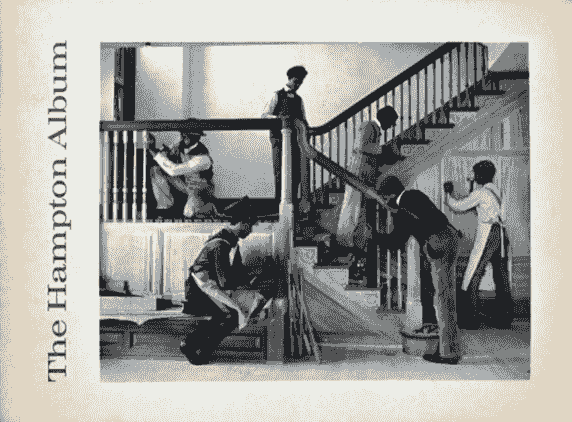
Frances B. Johnston The Hampton Album
44 photographs by Frances B. Johnston
Museum of Modern Art, NY- 1966
Frances B Johnston was commissioned in 1899-1900 to photograph the Hamptons Institute in Virginia, popular with African American and Indigenious students.
The photos were displayed at the Paris Centennial Exposition of 1900.
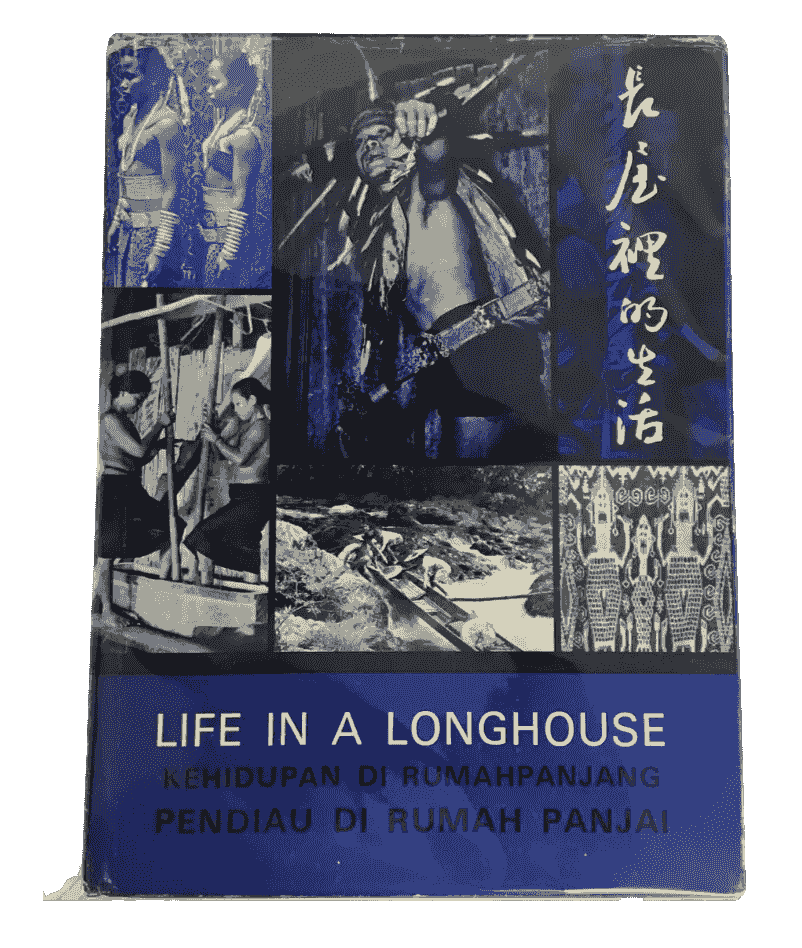
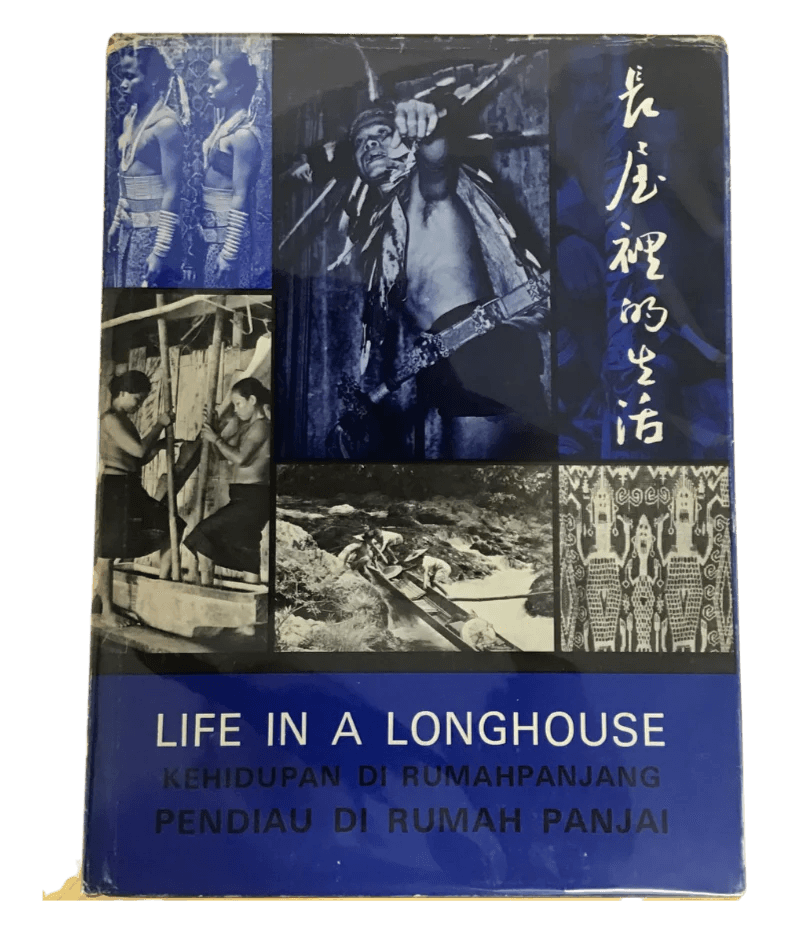
Hedda Morrison - Life in a Longhouse
1966
From the foreword:
I have spent rather than 15 years in Sarawak and during that time I have been fortunate enough to have been able to see a good deal of the life of the country-side. Whenever I visited longhouses I was conscious of the fact that the longhouse way of life is in the course of changing. I have tried to record faithfully in photographs whatever was typical of the people, and which might not be there to photograph at all for very much longer.
When I lived in Kanowit District I came to know and to enjoy the friendship of the people who lived in a typical, integrated longhouse community by the Ngemah, a small river which joins the Rejang 50 miles above Sibu. It was not a sensational, glamorous longhouse but a very typical one and represented all that is best in Iban life…Most of the photographs in this book were taken in this house, Rumah Garu, with the addition of some others to illustrate things which did not take place in Garu’s house while I was there.
About the author:
Hedda Morrison, the wife of an official in Sarawak, has taken her camera and her gift for catching intimate reveal scenes on tour through this fascinating country. Hedda Morrison’s technically brilliant photographs show in a most spontaneous way the mode of life of these varies peoples and the beautiful country in which they live.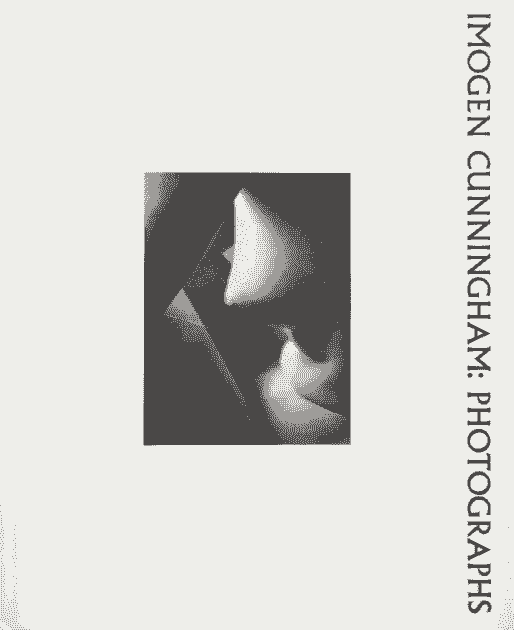
Imogen Cunningham - Photographs
1970
Imogen Cunningham (1883-1976) was one of photography's early pioneers and her work significantly contributed to the acceptance of the medium as an art form. Photographs is a body of work compiled over 70 years with 94 black and white plates, and an insightful biographical Introduction by Margery Mann,
a long-time friend of the artist.
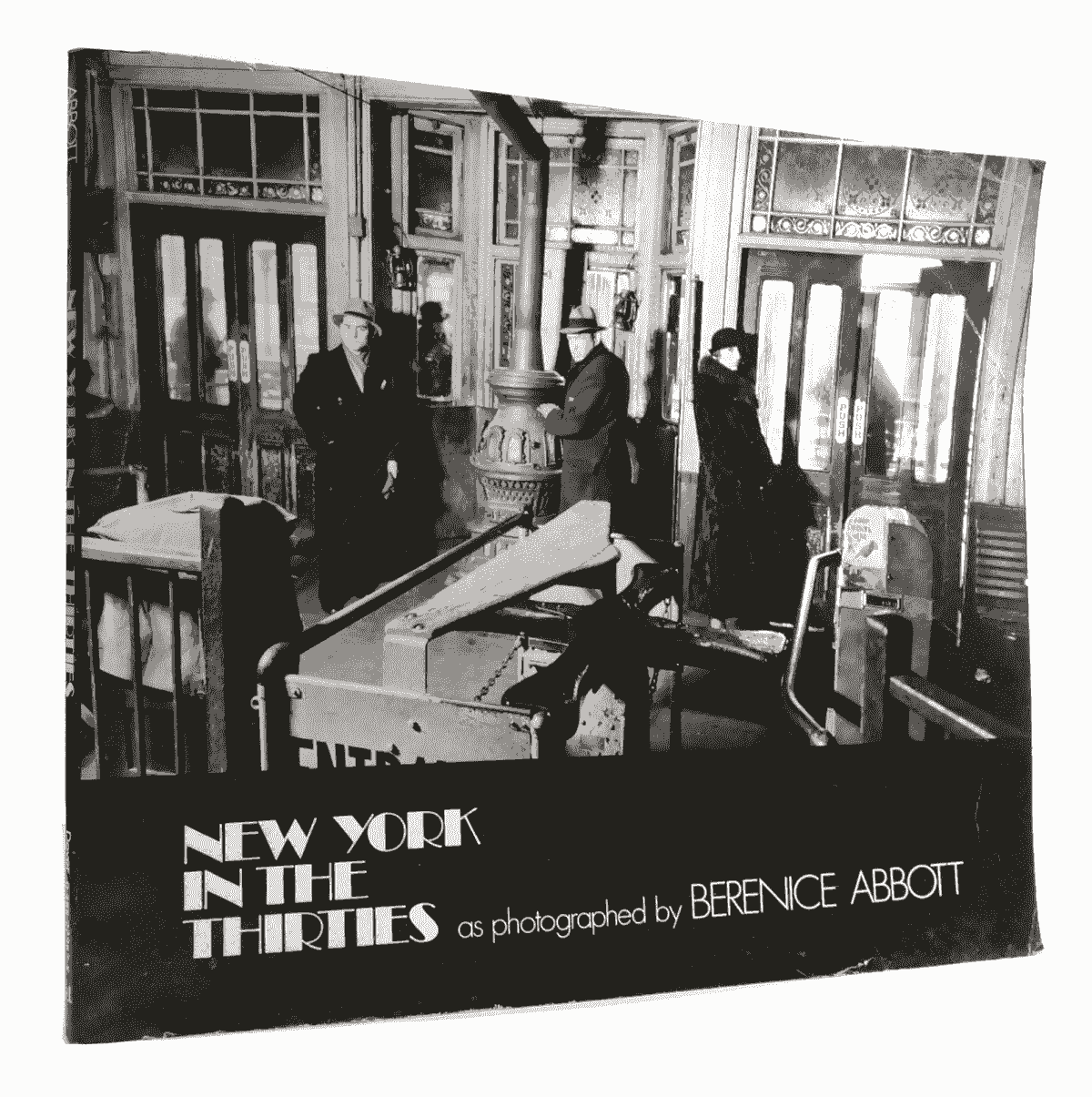
Bernice Abbott - New York in the 1930's
1973
A collection of black-and-white photographs documenting the rapid architectural and urban transformation of New York City during the 1930s. The work, created with the support of the Works Progress Administration (WPA), showcases the city's new skyscrapers rising alongside older buildings and captures the essence of both its grand monuments and everyday street life, like Rockefeller Center, the Bowery, and the city's bridges.
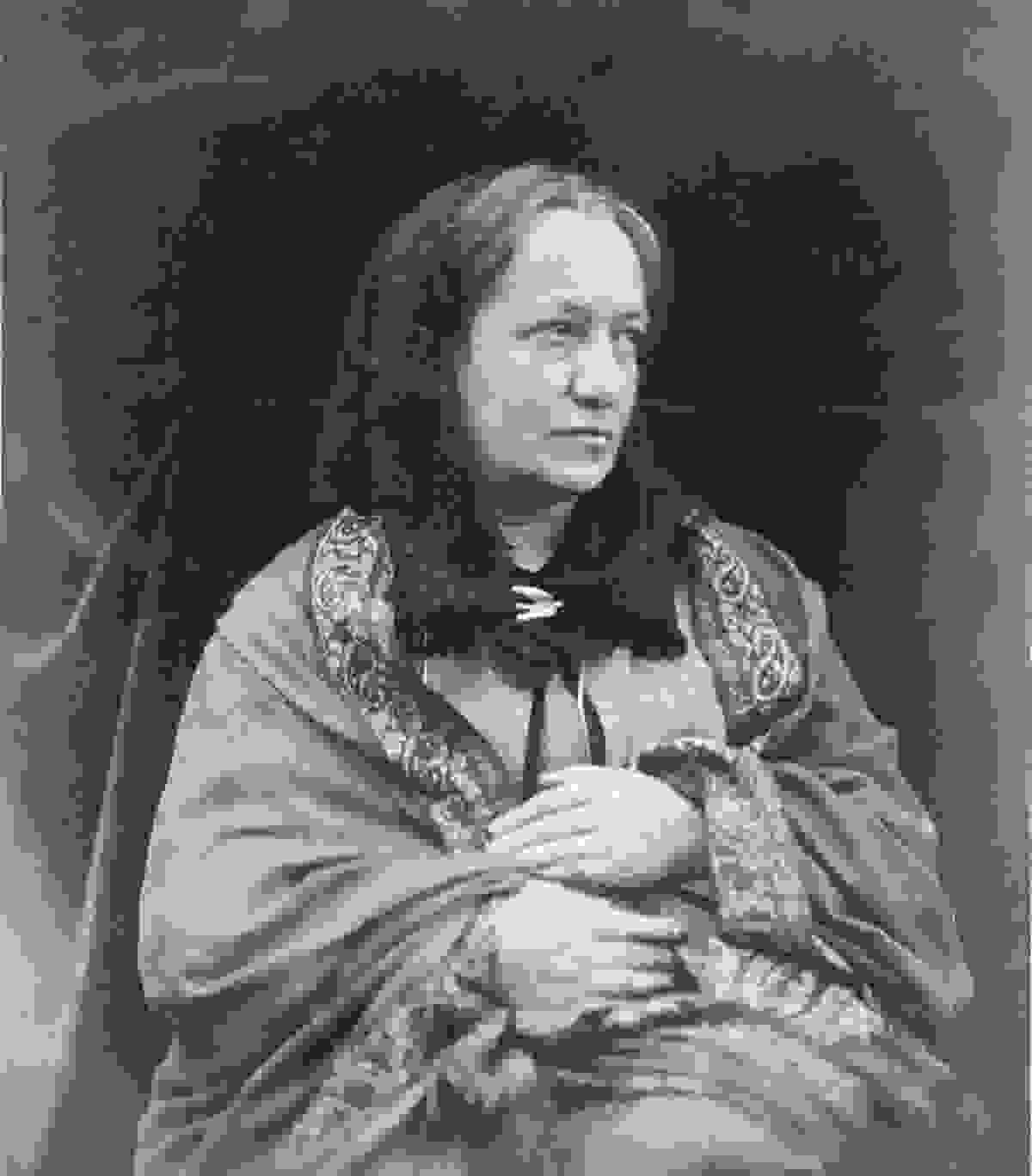
Julia Margaret Cameron-
Victorian Photographs of Famous Men & Women
Godine, Boston- 1973
1815-1879
In 1864, the pioneering British photographer Julia Margaret Cameron wrote what is now a famous mission statement:
"My aspirations are to ennoble Photography and to secure for it the character and uses of High Art by combining the real & Ideal & sacrificing nothing of Truth by all possible devotion to poetry and beauty."
Cameron was among the foremost photographers of the 19th century, pushing the newly discovered technique towards becoming an art form with her portraits of people dressed as characters from Shakespeare or myth.
Introduced to photography by the astronomer Sir John Herschel (whom she would later photograph), she was able to pursue her visions in Victorian England despite a lot of opposition from people who thought photography wasn't necessarily ladylike. "From the first moment I handled my lens with a tender ardour," she wrote in her memoir, "and it has become to me as a living thing, with voice and memory and creative vigour.”
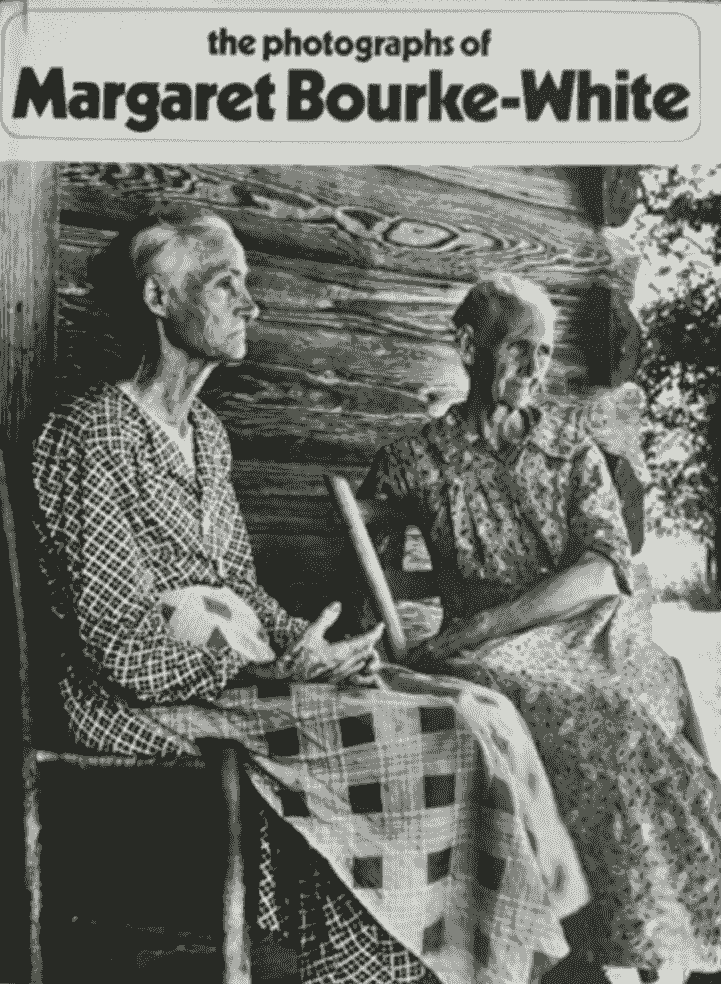
Margaret Bourke-White
The Photographs of Margaret Bourke-WhiteMartin Secker & Warburg Ltd- 1973
Includes a newspaper clipping on Bourke-Whites visit to Pittsburgh by Bob Stearns from The Pittsburgh Press on April 19, 1981.
Margaret Bourke-White was "a war correspondent, a compassionate witness of famine in India, a dedicated seeker of the truth, whether it be among sharecroppers, South African goldminers, American GI's or Jesuits. . All of her important work is shown in this major retrospective of her career." Tan cloth binding, illustrated dust jacket, shelf wear, tears, losses to dust jacket.
Abigail Heyman
Growing up female, a personal photo-journal
Holt, Rinehart and Winston - 1974
The book is about women and their lives as women, from one feminist's point of view. It's about what women are doing and what they are feeling and how they are relating to their mates, their children, their friends, their work, their interests, and themselves.
Being a woman influenced my ideas about what I wanted to photograph. My interest in women’s issues, in family issues, in social relationships came out of my experience of growing up as a female.
Women flirting to gain access are called “using their sexuality to gain greater access,” while men flirting to get access are called “charming.” I think it was an early feeling I had that I wanted to avoid accusation so badly that I never learned how to flirt or be charming.
Abigail Heyman
Heyman’s images are specific to a distinct place and time—the America of the late sixties and early seventies, roiled by the feminist revolution and other protest movements, yet caught in the grip of earlier, more conservative ideologies.
To grow up female is not just to develop in a woman’s body over time but also to emerge into a greater, less embarrassed, less hidden, and more present understanding of what being a woman means, as complicated and contradictory as that meaning might be.
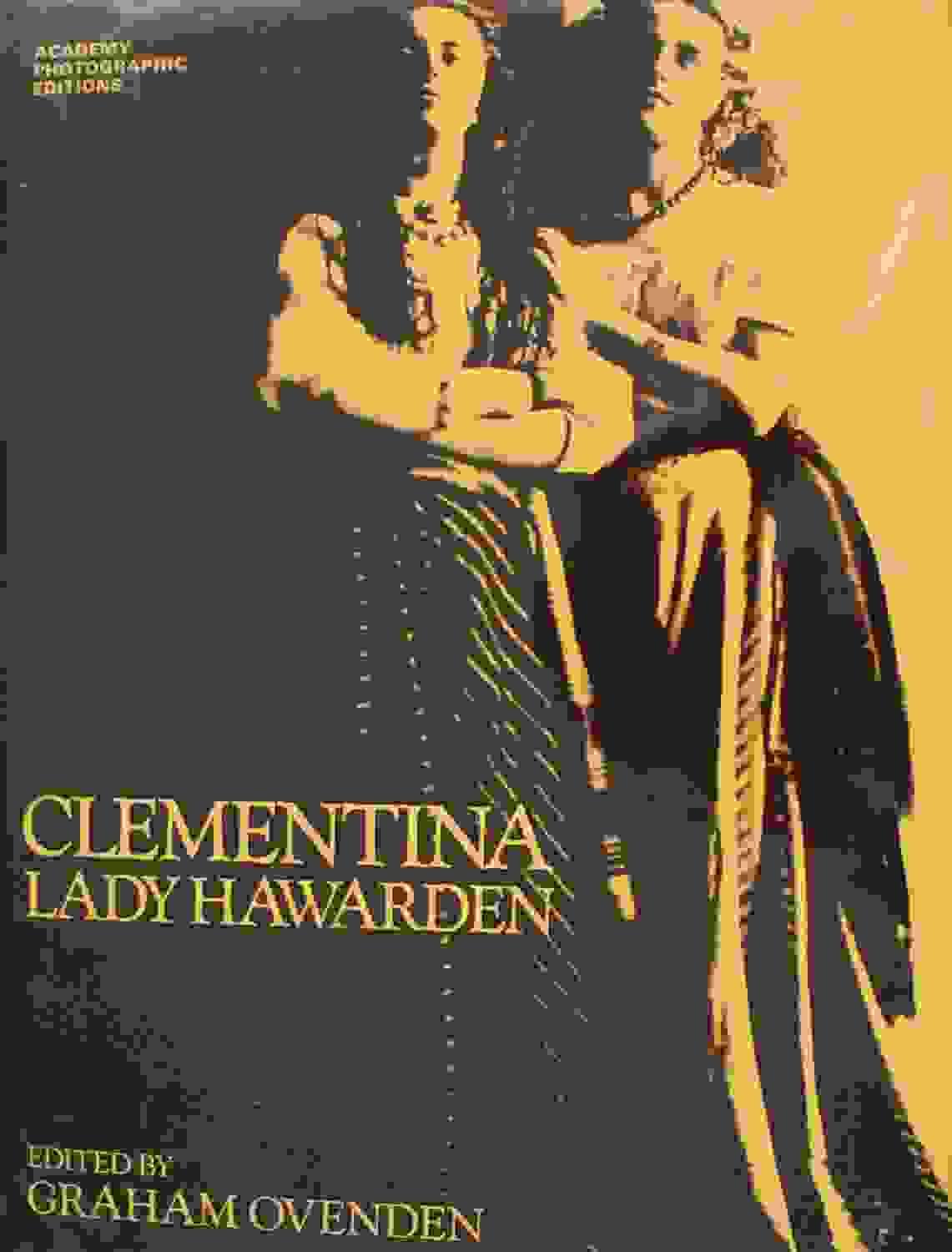
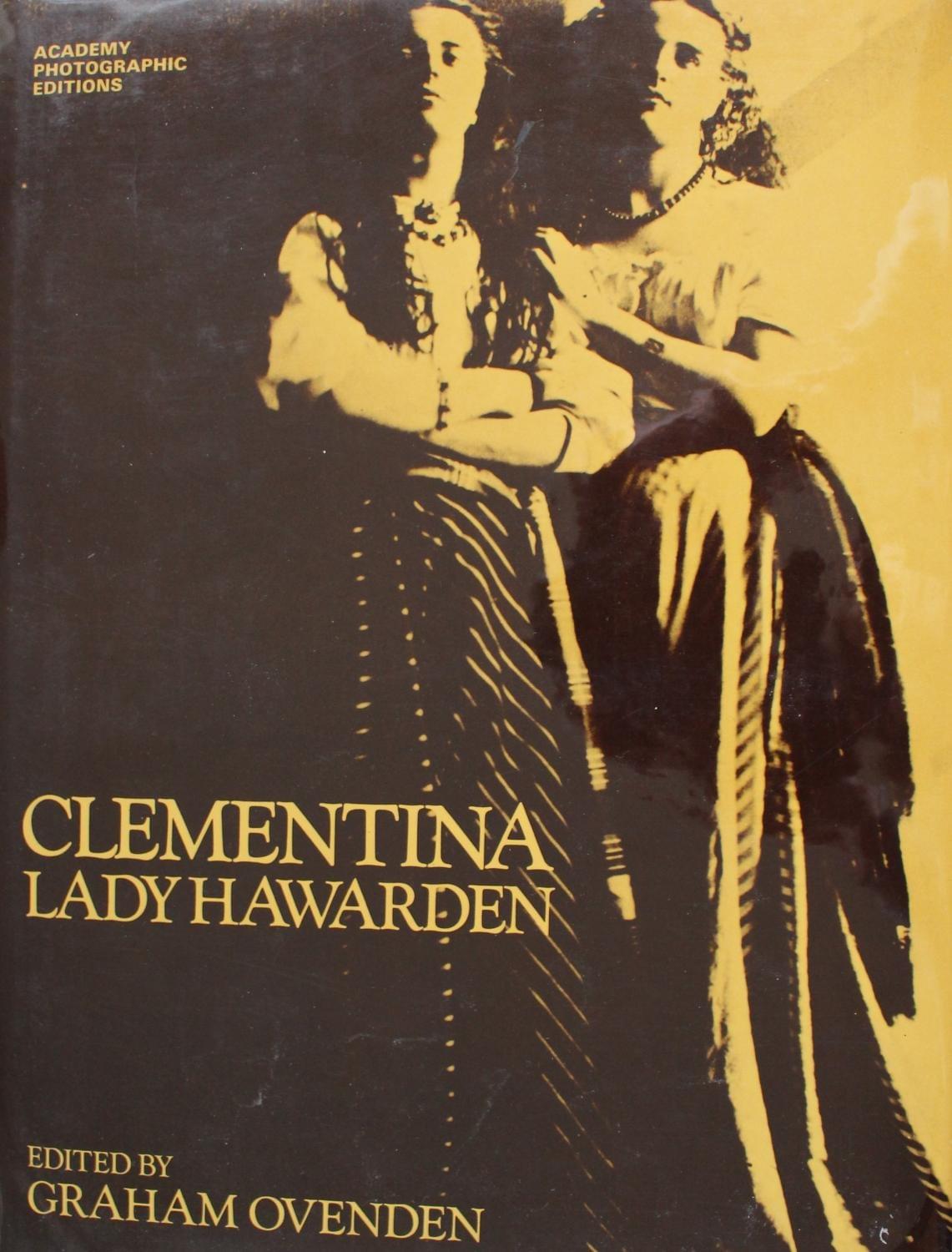
Lady Hawarden Clementina
Academy Editions - 1974
Explores a selection of photography by amateur British portrait photographer, Lady Clementina Hawarden, that display her ability to capture dynamic compositions and manipulate light. Beautifully produced photography monograph of Hawarden's 19th century Victorian photography.
Jill Freedman - Circus Days
1975
Hiromax - Girls Blue
1976

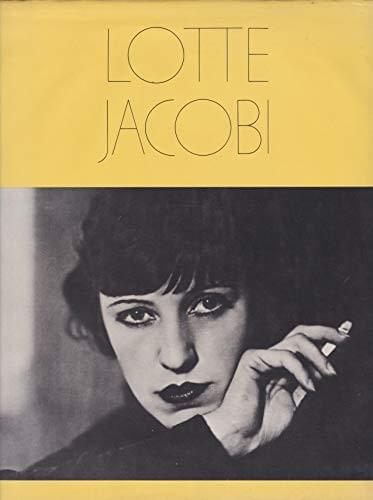
Lotte Jacobi
Addison House - 1978
A superb monograph of this important, German photographer emigrated to the U.S. in the 1930's; foreword and introduction by the editor and a chronology by James Fasanelli; includes many of the photographer's iconic portraits such as Alfred Stieglitz, Marc Chagall, Edward Steichen, Paul Robeson and, of course, her good friend, Albert Einstein, her dance photos and "photogenics", all beautifully printed.
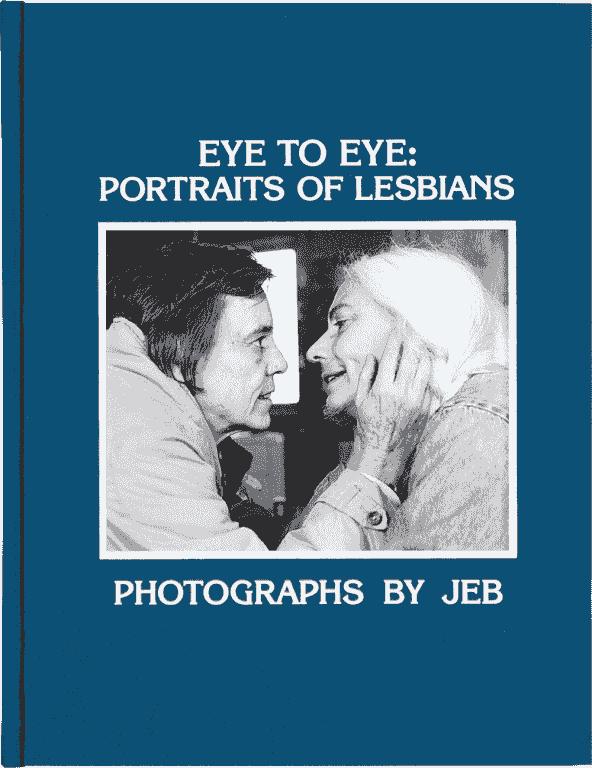
JEB
Eye to Eye: Portraits of Lesbians
1979
In 1979, JEB (Joan E. Biren) self-published her first book, Eye to Eye: Portraits of Lesbians. In a work that was revolutionary for its era, JEB made photographs of lesbians from different ages and backgrounds in their everyday lives—working, playing, raising families, and striving to remake their worlds. The photographs were accompanied by writings from acclaimed authors including Audre Lorde, Adrienne Rich, Joan Nestle, and others. Various women pictured in the book also shared their personal stories. Eye to Eye signaled a radical new way of seeing—moving lesbian lives from the margins to the center, and reversing a history of invisibility. More than just a book, it was an affirmation of the existence of lesbians that helped to propel a political movement. Reprinted for the first time in forty years, Eye to Eye is a faithful reproduction of a work that still resonates today. This edition features additional essays from artist and writer Tee Corinne, former World Cup soccer player Lori Lindsey, and photographer Lola Flash.
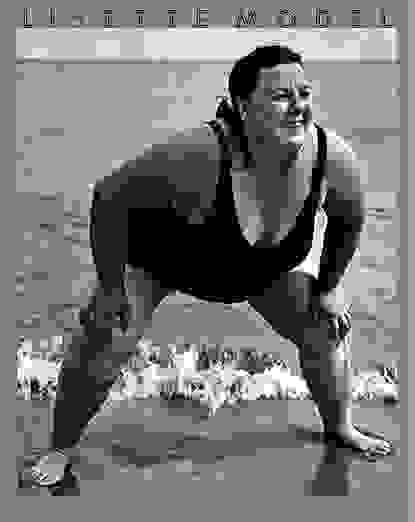
Lisette Model - Lisette Model
1979
Lisette Model” is an unsurpassed introduction to one of the twentieth century’s most significant photographers–a woman whose searing images and eloquent teachings deeply influenced her students Diane Arbus, Larry Fink and many others. This timeless volume contains more than 50 of Model's greatest images, from the rich idlers on the Promenade des Anglais in the South of France to the sad, funny and often eccentric inhabitants of New York's most subterranean haunts. As Berenice Abbott said in her preface, "One of the first reactions when looking at Model's pictures is that they make you feel good. You recognize them as real because real people express a bit of the universal humanity in all of us.
Marianne Breslauer - Retrospektive Fotografie
Marzona 1979
Gisèle Freund - Photography & Society
David R Godine 1980
Imogen Cunningham - After Ninety
University of Washington Press 1980
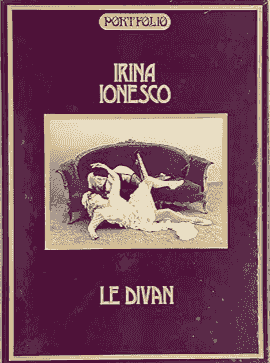
Irina Ionesco- Le Divan
Editions Borderie- 1981
Beautiful portfolio containing 12 photographs of female nudes in black and white by Irina Ionesco with white margins and facsimile of the signature of the photographer. With two sheets of introductory text by Pierre Bourgeade.
Mary Ellen Mark - Falkland Road
Knopf 1981
Esther Bubley - World of Children in Photographs
Dover 1982
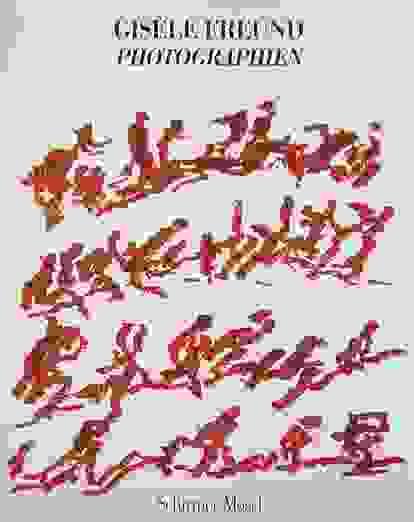
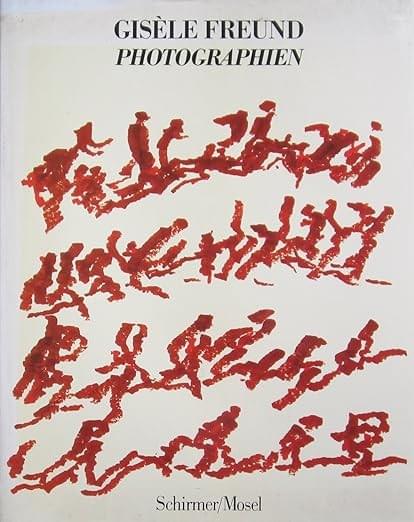
Gisèle Freund- Photographien
Schirmer/Mosel 1985
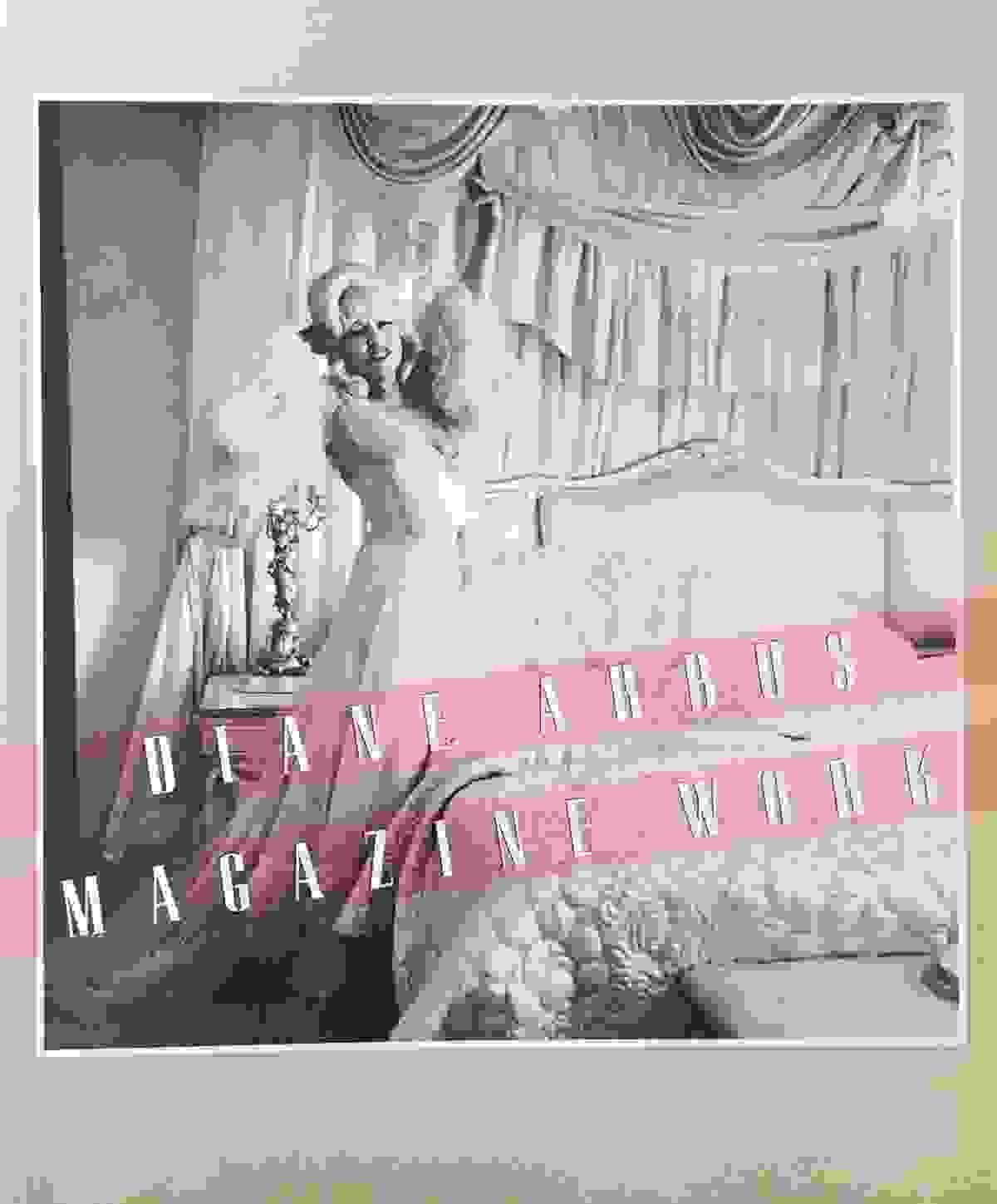
Diane Arbus- Magazine Work
1984
Photography's most original artist presents the celebrities of her time in a remarkable collection of portraits. This work reveals the growth of an artist who saw no artificial boundary between art and the paying job and who succeeded in putting her indelible stamp on the visual imagination.
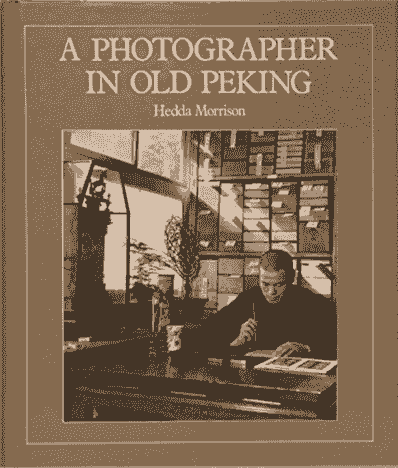
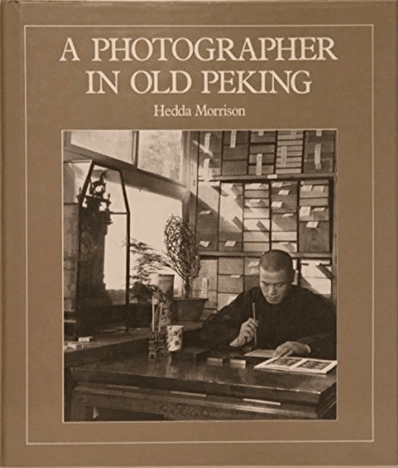
Hedda Morrison- A Photographer in Old Peking
1985
Peking is one of the great cities of the world and one of the most fascinating. It has changed so radically in the past thirty years that the city's fabulous past is in danger of being lost to memory. This memoir of Peking from 1933 to 1946, compiled by one of the finest photographers who has ever worked in Asia, is thus a significant document and will be of interest not only to longstanding China-watchers but also to the many tourists who have been privileged to visit Peking in the decade since the city has again been opened to the West. The photographs provide a unique insight into life in Peking in the years preceeding the Communist revolution of 1949.
The photographer, Hedda Morrison, left Nazi Germany in 1933 to manage a German-owned photographic studio in Peking. Her sympathetic approach to her subject is manifested in the large number of photographs showing Chinese people from all walks of life at work and enjoying their leisure. Architectural studies provide valuable evidence of buildings and monuments that have since changed or disappeared, and photographs taken beyond Peking and in the Western Hills convey the beauty of the north China landscape.Marjorie Doggett - Characters of Light
Times Books International 1985
Eiko Yamazawa - Abstract Photographs
Tamako Okazaki Gallery 1986
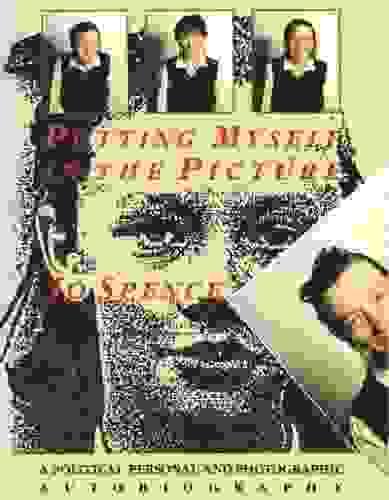
Jo Spence- Putting Myself in the Picture
1986
Photographer Jo Spence challenges the assumptions of conventional photography in this groundbreaking visual autobiography, which traces her journey from self-censorship to self-healing.
A pivotal work.
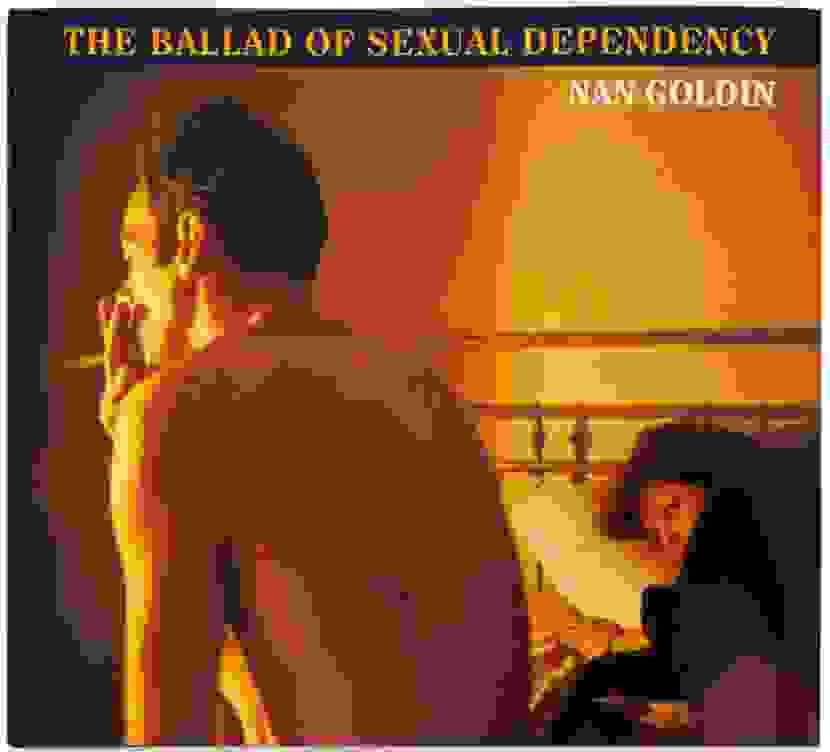
Nan Goldin- The Ballad of Sexual Dependency
1986
“The Ballad of Sexual Dependency, like most of the great photobooks, is an honest, troubling, passionate, deeply poetic mirror held up to our times” (Parr & Badger II:39). Intensely personal, The Ballad of Sexual Dependency is Nan Goldin's visual diary. For more than ten years, Goldin chronicled her life and that of her extended family in Boston, Berlin, London, and New York's Lower East Side. "Ballad of Sexual Dependency is at once a diary and a soap opera, an unerring portrait of a particular East Village bohemia and a sexual taxonomy of the '80s" (Village Voice).

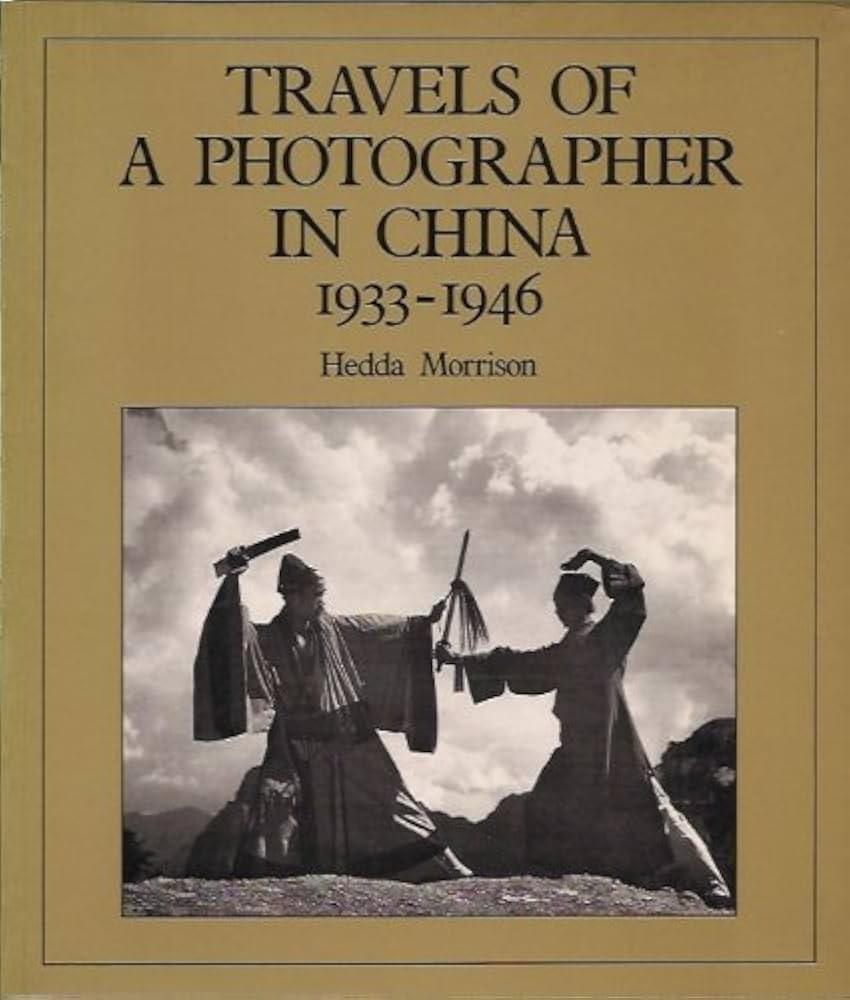
Hedda Morrison-
Travels of a Photographer in China 1933-1946
1987
a collection of photographs by Hedda Morrison, documenting life across China during her years there, with a particular focus on areas beyond the capital, Peking. Published as a sequel to her Peking book, this volume offers a wider geographical view, including locations like Yun Kang, Cheng Ting, and the Shantung coast. The images provide a historical record of the region's social scenes, landscapes, and people during that era.
Jill Freedman - A Time that was
1987
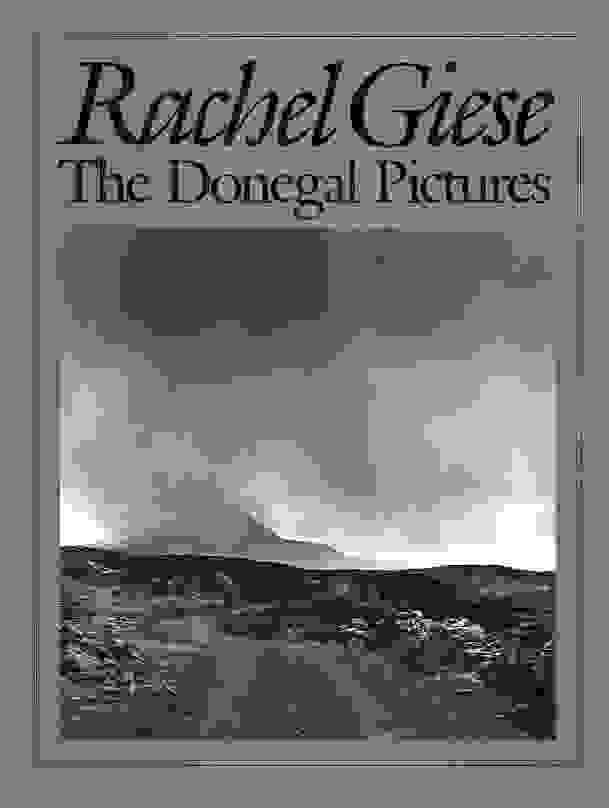
Rachel Giese - The Donegal Pictures
1987
Seventy-nine duotone photographs of remote Irish-speaking farming and sheepherding communities.
Giese began traveling to Ireland in the late 1970s, drawn to the light, the weather, and the history.
Tsuneko Sasamoto - Portrait in Casual Clothes
1988
Eudora Welty - Eudora Welty Photographs
University Press of Mississippi 1989

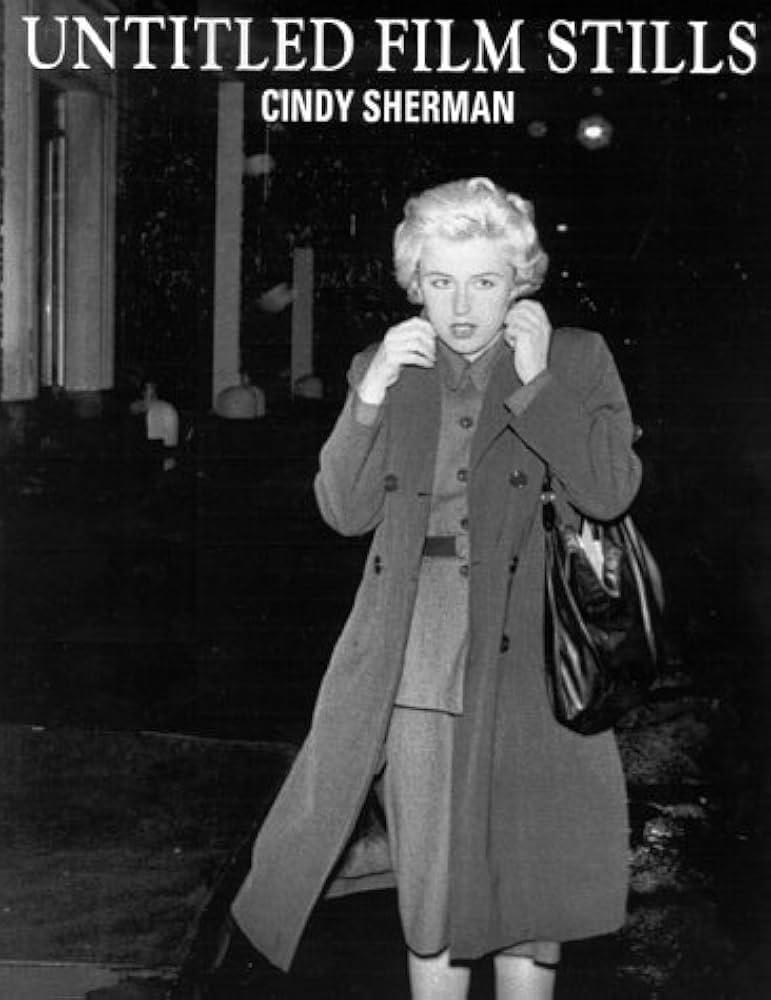
Cindy Sherman- Untitled film stills
Schirmer-Mosel München, 1990
Cindy Sherman's "Untitled Film Stills," a series of 69 black-and-white photographs created between 1977 and 1980, is widely seen as one of the most original and influential achievements in recent art. Witty, provocative and searching, this lively catalogue of female roles inspired by the movies crystallizes widespread concerns in our culture, examining the ways we shape our personal identities and the role of the mass media in our lives. Sherman began making these pictures in 1977 when she was 23 years old.
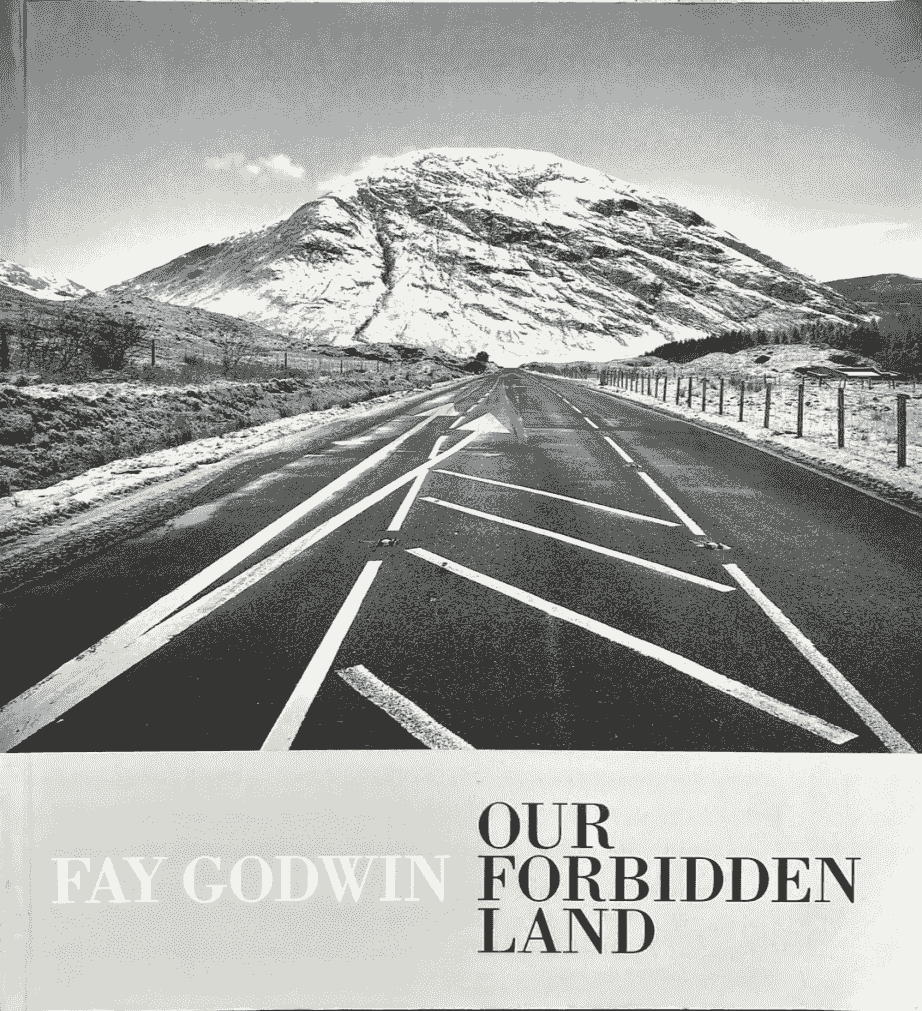
Fay Godwin - Our Forbidden Land
1990
The book consists of 120 black and white photographs, along with a text written by Fay Godwin. We now have a landscape under threat and this book aims to combine a powerful aesthetic sense of the landscape with a deep political commitment. The book covers the whole of the British Isles from Land's End to the Highlands of Scotland. "Forbidden Land" examines in detail the ownership of land. It also explores the abuse of land by the Ministry of Defence and by developers. Fay Godwin focusses particularly on the battles in West Cornwall where Patrick Heron has fought to retain the land covenanted to the National Trust 30 years ago, as well as forestry in the flow country, the English Heritage's management of Stonehenge, the access to land owned by the National Trust, the illegal closure of rights of way by the military as well as particular stories in East Anglia, the Peak District and Scotland.

Cindy Sherman - 1991
1991
Since Cindy Sherman first gained international recognition in 1977 with her series, "Untitled Film Stills," she has been concerned with transforming her own image as she examines the relationship of the real to its pictorial representation. This volume offers a retrospective of Sherman's work from the earliest black and white series shown in 1977 to her new richly-colored, "History Portraits" published here for the first time.
Karen Knorr - Marks of Distinction
Thames & Hudson 1991
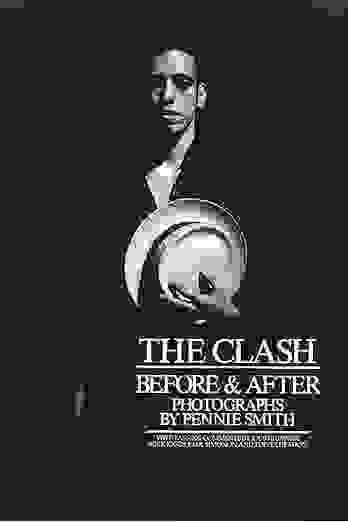
Pennie Smith - The Clash: Before and After
1991
The Clash survived the stereotypes of punk to become one of the world’s most successful acts of the 1980s. That heady period is captured in Pennie Smith’s raw photographs and the witty accompanying captions by members of the band. Smith’s moody monochrome images showcase dynamic stage performances and include many pictures from the 1979 breakthrough American tour. Smith’s camera also recorded the Clash’s downtime offstage, their comic antics and reflective moments.
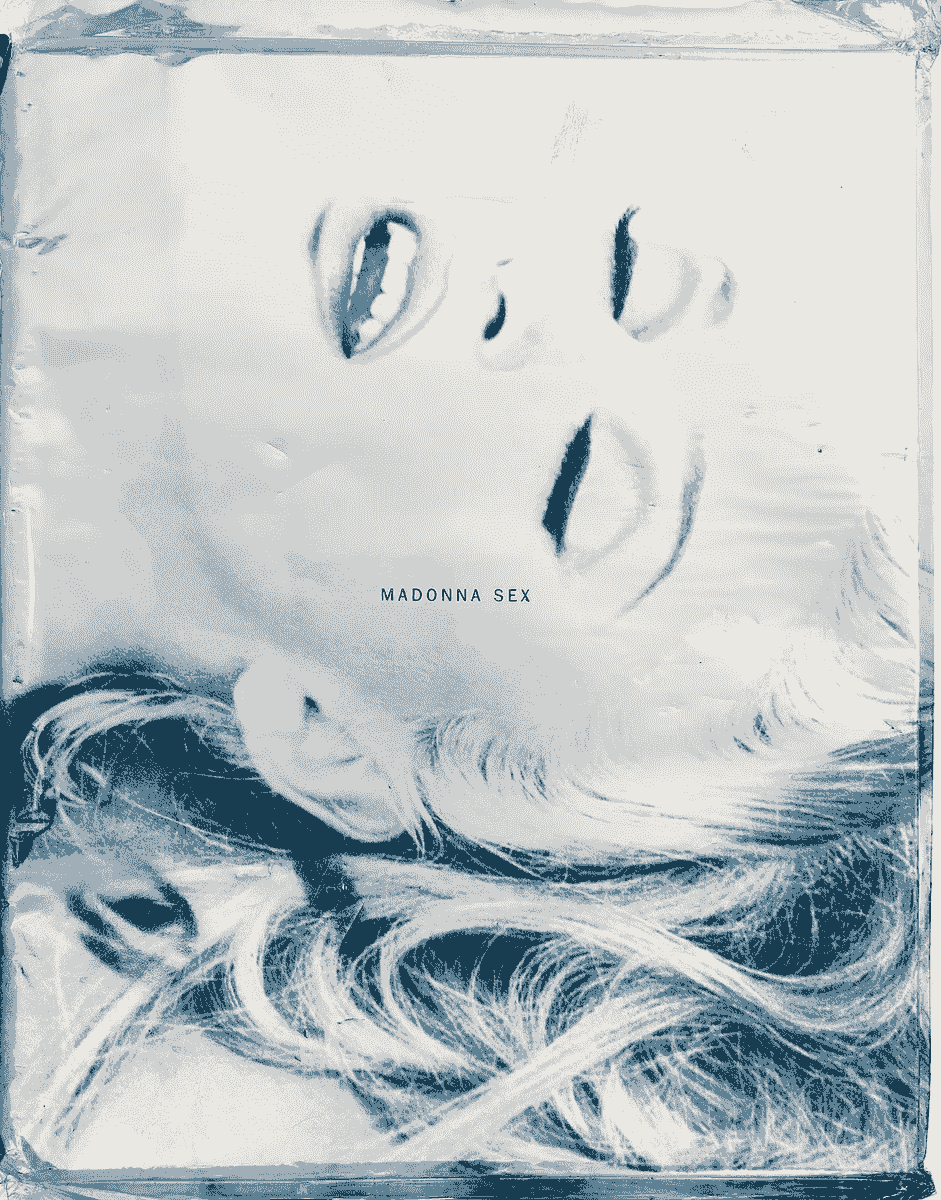
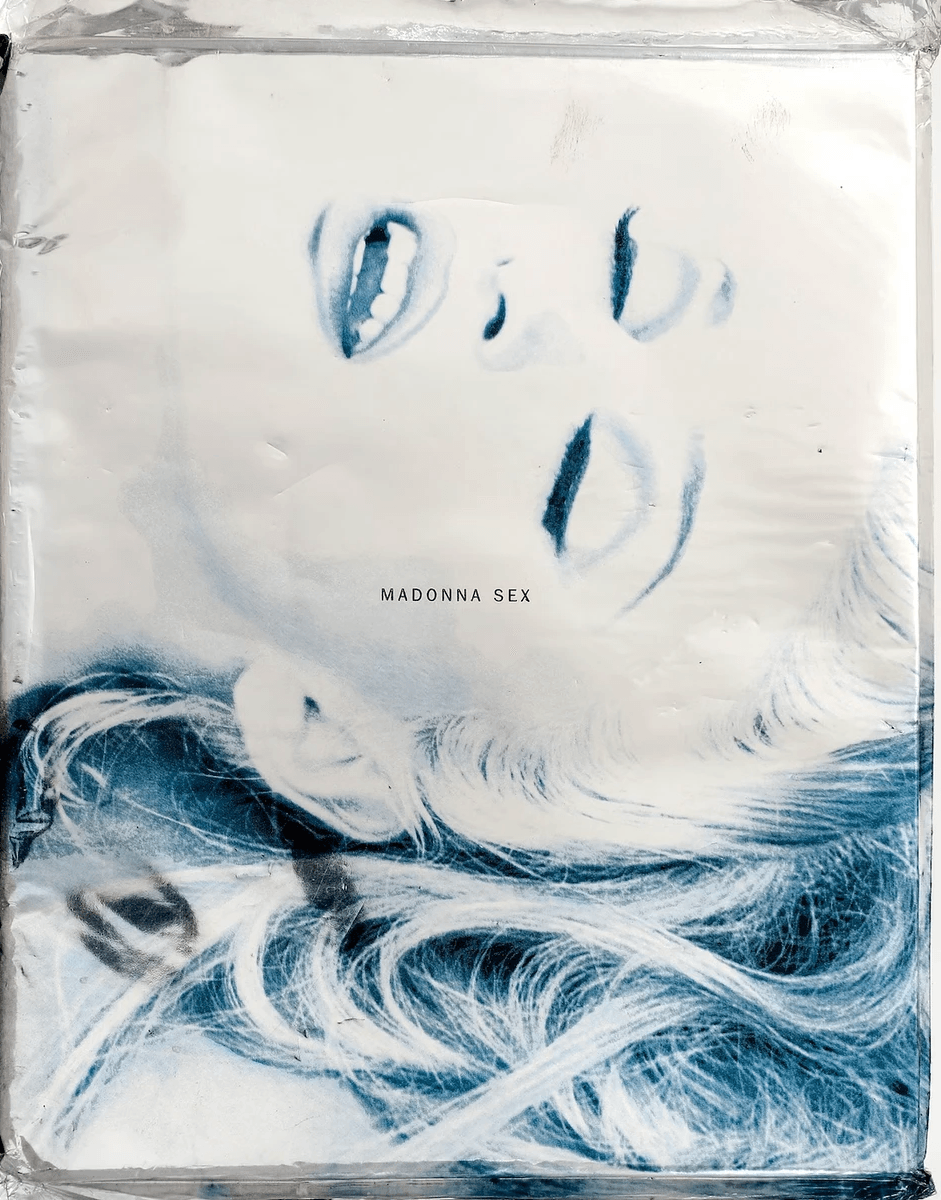
Madonna - Sex
1992
Art book featuring explicit black and white and color photographs by Steven Meisel and others, with minimal text. The book explores sexual fantasies and themes like sadomasochism and sexual power through explicit imagery and prose written by Madonna under the pseudonym "Mistress Dita". It also includes a comic, an exclusive CD, and was packaged in a distinctive spiral-bound aluminum cover.

Tokuko Ushioda - Ice Box
1996
Ice Box Tokuko Ushioda depicts the inside of refrigerators starting from her own shared with her husband and child. She continues by photographing the ones of her relatives, asking a finale question in the essay published in the book Is Mom a Refrigirator ?
Various -
Our Mothers: Portraits by 72 Women Photographers
Harry N Abram 1996
Ann Shelton - Red Eye
Dewi Lewis Publishing 1997
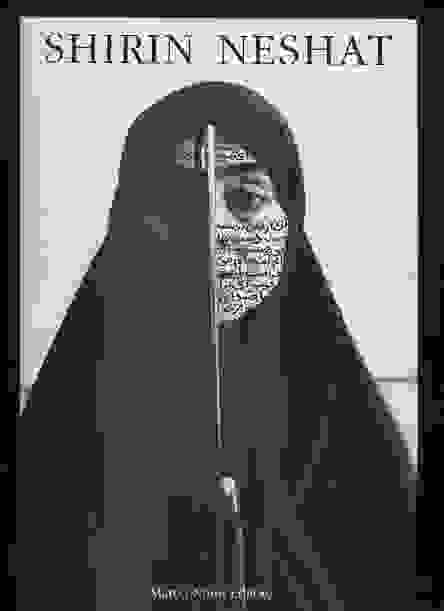
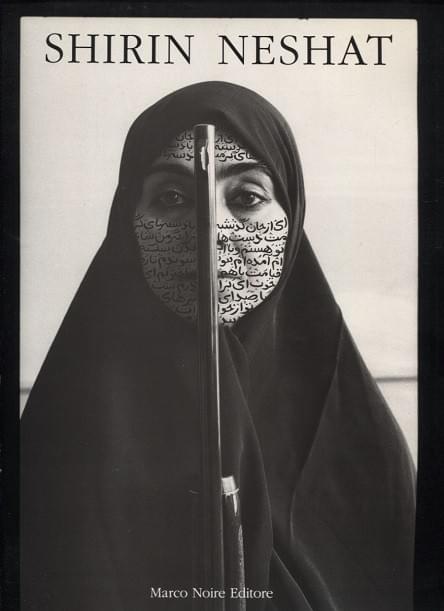
Shirin Neshat - Women of Allah
1997
As an Iranian woman, Shirin Neshat's startling photographs convey a power that is more than merely exotic. Veiled women brandish guns in defiant stances, with Arabic calligraphy drawn upon the background of the photos. Though their non-Western iconography may at first disorient the viewer, these pictures have a boldly stylized look that is utterly compelling.
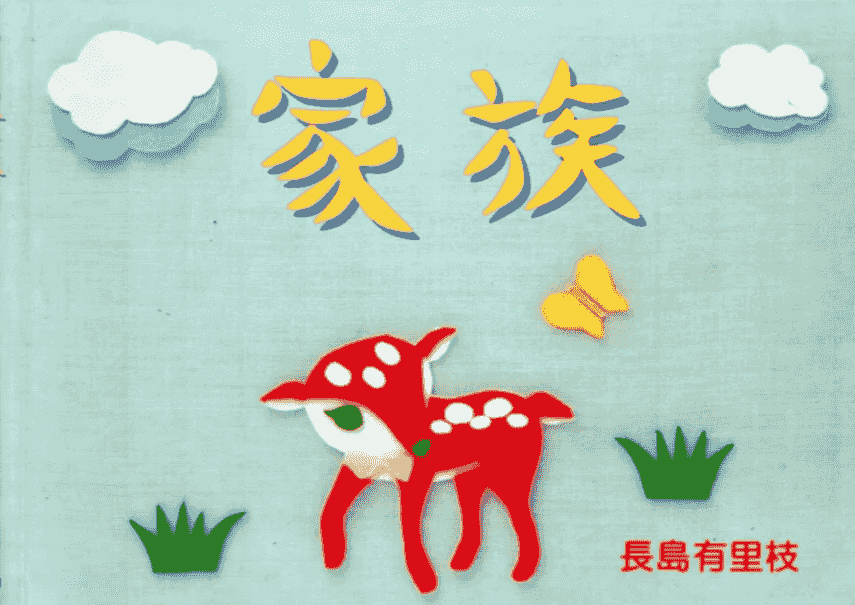
Yurie Nagashima - Family
1998
A Family. Photographs by Yurie Nagashima. Korinsha. Kyoto., 1998. Unpaged. Oblong octavo (smallish size). Decorative glazed paper over boards. Internally spiral bound. Color reproductions with one gate fold. Afterword by the artist (in Japanese and English). “One day I was born and my life with this family began. I was given safety by having people who were always there for me, but by knowing its limit I was also given solitude – something that has always gotten me up from my bed. It made me confused and made me think.. I guess it even made me become a photographer to get at the answer.”–from the Afterword Yurie Nagashima has won great acclaim for this startlingly intimate portrayal of family life, in which she photographed her family in the nude. She received the prestigious Kimura Ihei award (sharing it with Mika Ninagawa and Hiromix) in 1992 and the Parco Award a year later, both while still in college in 1993. She published two other books (both in 1995) before the earlier body of work appeared in this monograph. She and Hiromix were acknowledged as the first “girl photographers” (onna no ko shashinka) and went on to inspire a new generation of young female image makers (enrollment of women in photo programs rose to about 50%). Though both Hiromix and Nagashima work in highly autobiographical modes (think Nan Goldin), the former went on to concentrate much more on commercial and celebrity work.
Catherine Opie - Photographers Gallery
Photographers Gallery London 2000
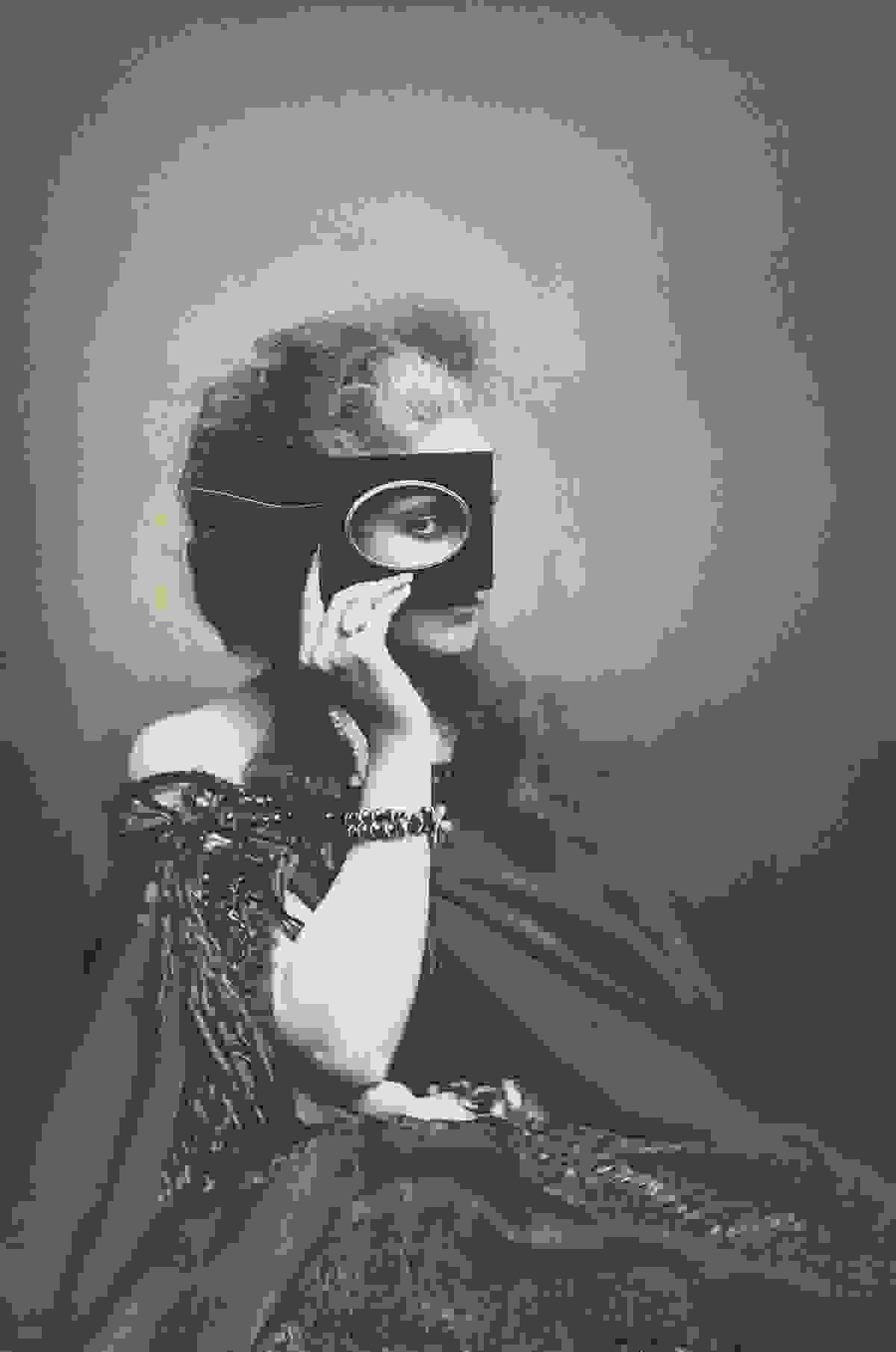
Countess De Castiglione - La Divine Comtesse
2000
Virginia Oldoini (1837-1899)
The Countess of Castiglione, an aristocrat and mistress to Napoleon's nephew, showed her artistic self-expression with self- potraiture..
Instead, she was the muse of the court photographer Pierre-Louis Pierson, and the results were a catalogue of over 700 portraits of the Countess in delightful costumes or (gasp) revealing bare limbs, leading to her description in 2016 as "the mysterious selfie queen of Parisian society".
The Metropolitan Museum, however, notes that she was "far from being merely a passive subject — it was she who decided the expressive content of the images and assumed the art director’s role, even to the point of choosing the camera angle. She also gave precise directions on the enlargement and repainting of her images in order to transform the simple photographic documents into imaginary visions—taking up the paintbrush herself at times." The results are among the most beautiful and strange in photography's history.
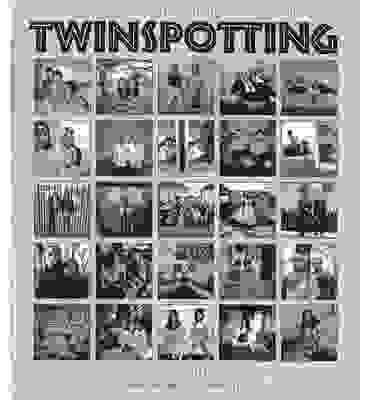
Ketaki Sheth - Twinspotting
2000
This collection of photographs by Ketaki Sheth offers a glimpse into the world of Patel twins in Britain and Gujarat, India. The surname Patel dates back to the 15th century and was originally a title bestowed by the Moghuls on those who sorted out village disputes. Many of the Patels living in the UK arrived in two major waves of immigration — from Kenya in 1968 and from Uganda in 1972. Ketaki Sheth is one of India's leading women photographers. She lives and works between Mumbai and London. With foreword by Raghubir Singh. Sheth herself has written an extensive introduction on the background and history of the Patels.

Wendy Ewald - Secret Games
2000
Our perceptions of children are only too often distorted by our inclination to project grown-up fantasies of innocence and naivete onto them. Working with children, American photographer Wendy Ewald reveals the lucidity and precision of their powers of observation, gently but assuredly overturning cherished notions of childhood as a paradise lost. In Secret Games Ewald leads you into a world that is as eerie, haunting and threatening as it is joyous and mischievous-life as children really experience it. In 1969, when Wendy Ewald taught photography to children for the first time on a Native American reservation in Nova Scotia, she was stunned by how astute and beautiful their photographs of the environment they were growing up in were. Moving on to the Kentucky Appalachians, she continued working with children, combining her own photographs with the children's photographs and writings. For the past thirty years she has worked with children and women all over the world. Secret Games offers a comprehensive overview of Ewald's collaborative works, with in-depth texts by Ewald tracing the evolution of her work and the ideas guiding it.